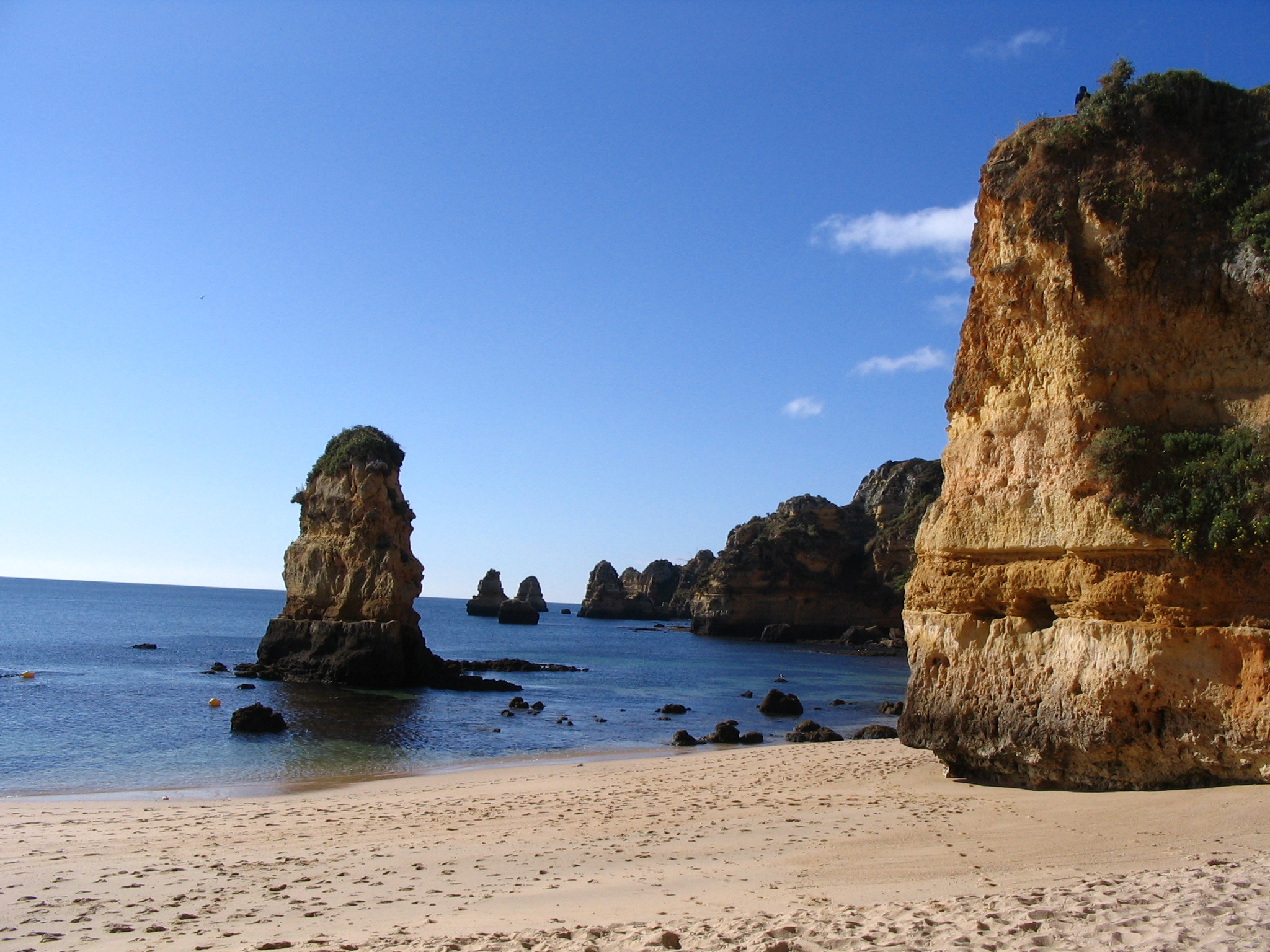
There are places you visit and places that stay with you long after you leave. Lagos, on the western tip of Portugal’s Algarve coast, is firmly in the second category. I spent five days here exploring some of the most spectacular beaches I have ever seen, and I still think about those golden cliffs and turquoise waters on a regular basis.
If you are planning a trip to the Algarve, Lagos should be at the very top of your list. The town itself is charming, the food is incredible, and the beaches are genuinely world-class. Here is my personal guide to the best beaches in Lagos and everything you need to know to plan your visit.
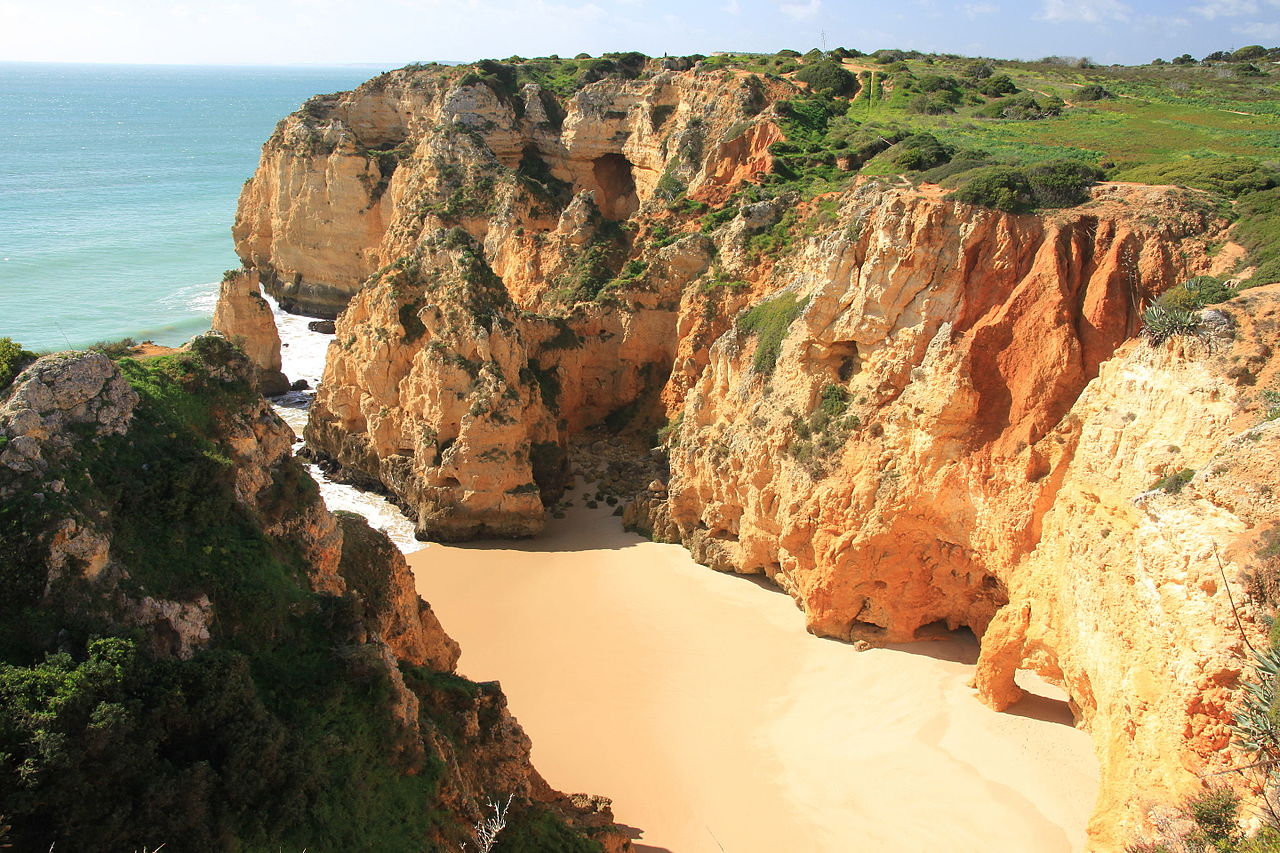
Praia Dona Ana – The Postcard-Perfect Beach
Let me start with the beach that made me fall in love with Lagos. Praia Dona Ana is consistently ranked among the most beautiful beaches in the world, and after seeing it in person, I completely understand why. Framed by dramatic ochre and golden limestone cliffs, the beach features crystal-clear turquoise water and soft golden sand that feels like it belongs in a dream.
I arrived early in the morning, around 8:30 AM, and had the place almost to myself. The light at that hour is magical, casting a warm golden glow on the rock formations. There is a wooden staircase that leads down to the beach from the clifftop, and the view as you descend is absolutely breathtaking.
My tip: Come early or late in the day. By mid-morning in summer, the beach fills up quickly. There are sunbed rentals available, but I preferred finding my own spot near the rocks on the eastern side where there is more shade in the afternoon.
Praia do Camilo – The Hidden Gem
Just a short walk from Dona Ana, Praia do Camilo is a smaller, more intimate beach tucked between towering cliffs. You reach it by descending a steep wooden staircase of roughly 200 steps carved into the cliff face. The descent alone is an experience, with panoramic views of the coastline opening up at every turn.
The beach is divided into two small coves connected by a natural tunnel carved through the rock by centuries of waves. Swimming through that tunnel felt like entering a secret world. The water here is incredibly calm and clear, making it perfect for snorkeling along the rock walls where you can spot small fish and sea anemones.
Be warned: Because the beach is small, it fills up fast. I would recommend arriving before 9 AM in peak season. Also, remember that those 200 steps going down means 200 steps going back up in the heat.
Ponta da Piedade – The Crown Jewel of the Algarve
Ponta da Piedade is not technically a beach but rather a stunning headland of sculpted golden cliffs, sea stacks, hidden grottoes, and arches that rise up to 20 meters above the Atlantic. It is, without exaggeration, one of the most spectacular natural formations I have seen anywhere in the world.
I walked here from the center of Lagos along the clifftop path, which takes about 40 minutes and offers increasingly jaw-dropping views as you approach the point. There is a stone staircase that descends to a small platform at water level, where you can watch the waves crash against the rock formations and peer into caves that glow an impossible shade of turquoise.
The real magic, though, is seeing Ponta da Piedade from the water. I took a boat tour from Lagos Marina, and it was the single best activity I did during my entire time in Portugal. More on that below.
Meia Praia – The Endless Stretch
After days of exploring intimate cliff-backed coves, Meia Praia was a refreshing change. This is a massive, wide-open beach stretching about 4 kilometers along the eastern side of Lagos Bay. It is the kind of beach where you can walk for half an hour and still have sand ahead of you.
Meia Praia is perfect for long beach days. There is plenty of space even in peak summer, and the beach has a good mix of serviced areas with sunbeds and restaurants and wilder, emptier stretches toward the eastern end. The water is slightly warmer here because the bay is more sheltered, and it is also the best spot in Lagos for water sports like kitesurfing and stand-up paddleboarding.
How to get there: You can walk from Lagos town center across the footbridge near the marina, about 15 minutes. Alternatively, there is a small ferry that crosses the river from the old town.
Praia dos Estudantes – The Town Beach With a Twist
Right in the heart of Lagos, tucked below the old town walls, Praia dos Estudantes is the most convenient beach to reach. What makes it special is the Roman-era bridge that arches over the rocks, connecting the beach to a second smaller cove. It is a beautiful and historic setting that feels almost theatrical.
I loved coming here in the late afternoon after exploring the old town. The beach catches the golden evening light beautifully, and there are several excellent restaurants and bars within a two-minute walk. It is small and gets crowded, but the atmosphere is lively and fun.
Porto de Mos – The Local Favorite
A bit further from the center, Porto de Mos is a wide, beautiful beach backed by green-topped cliffs. It has a more relaxed, local feel compared to the famous beaches closer to town. The cliffs here are stunning, with layers of orange, yellow, and white limestone that glow in the afternoon sun.
There are a couple of excellent beach restaurants here, and the surf is usually a bit bigger than at the sheltered coves, making it a fun spot for bodyboarding. I spent an entire afternoon here and it was one of the most relaxing days of my trip.
Getting there: Porto de Mos is about a 25-minute walk from the center of Lagos, or a quick 5-minute drive. There is a free car park at the top of the cliff.
The Grottoes and Sea Caves – A Must-Do Boat Tour
You simply cannot visit Lagos without taking a boat tour to explore the famous grottoes and sea caves along the coastline. The entire stretch between Ponta da Piedade and Praia Dona Ana is riddled with caves, arches, and tunnels that you can only access from the water.
I booked a small-group tour on a traditional fishing boat from Lagos Marina, and it lasted about 75 minutes. We motored along the coastline, ducking into narrow caves where the water glowed an electric blue-green, passing through natural archways, and stopping at hidden beaches accessible only by boat. The captain knew every cave and timed the approach perfectly with the swells.
Booking Tips for Boat Tours
- Small boats are better: The smaller traditional boats can enter caves that the larger vessels cannot reach. Look for boats carrying 10-15 people maximum.
- Morning tours offer calmer seas and better light inside the caves. I went at 10 AM and it was perfect.
- Book in advance during July and August. Tours sell out, especially the morning slots.
- Expect to pay around 20-30 euros per person for a standard grotto tour.
- Kayak tours are also available if you want a more active experience. They take longer but offer an even more intimate perspective.
Practical Information for Visiting Lagos
How to Get to Lagos
From Lisbon: Lagos is about 290 km south of Lisbon. You can take a direct train from Lisbon’s Estacao do Oriente or Entrecampos station, which takes around 3.5-4 hours and costs approximately 22-30 euros. Alternatively, the Rede Expressos bus takes about 3.5 hours and is often cheaper.
From Faro Airport: Faro is the Algarve’s main airport, about 90 km east of Lagos. You can take a train from Faro station (about 1.5-2 hours with a change at Tunes) or drive in about an hour via the A22 motorway. Many visitors rent a car at Faro airport, which gives you the most flexibility for exploring the region.
Getting around Lagos: The town itself is very walkable. All the beaches I have mentioned are reachable on foot, though some walks are 25-40 minutes. There is also a local bus service, and taxis are affordable for longer distances.
Best Time to Visit
May to June is my top recommendation. The weather is warm and sunny (around 22-26 degrees Celsius), the beaches are not yet packed with summer crowds, the water is refreshing, and prices are lower than peak season.
July and August bring the warmest weather and warmest water temperatures, but also the biggest crowds and highest prices. If you visit in peak summer, arrive at beaches early.
September and October are excellent alternatives. The summer crowds thin out, the ocean is at its warmest after months of sun, and the weather remains beautiful well into October.
Beach Tips
- The Atlantic is cold. Even in August, water temperatures hover around 19-21 degrees Celsius. It is refreshing once you are in, but brace yourself for the initial shock.
- Wear sun protection. The Algarve sun is strong, and the reflection off the cliffs and water intensifies it. I got sunburned on my first day despite thinking I was being careful.
- Bring water shoes for the rockier beaches like Camilo and the areas near Ponta da Piedade.
- Watch the tides. Some smaller beaches and cave entrances are only accessible at low tide. Check tide tables before planning your day.
- Rent a car if you want to explore beaches beyond Lagos. The entire Algarve coast is spectacular, and having a car opens up dozens of additional stunning beaches within easy reach.
Final Thoughts
Lagos delivered everything I hoped for and more. The combination of dramatic cliff scenery, crystal-clear water, charming old town atmosphere, and excellent food makes it one of the best beach destinations in all of Europe. Whether you are a beach lover, a nature enthusiast, or someone who simply wants to relax in a beautiful setting, Lagos has something for you.
My only warning is this: once you see those golden cliffs and turquoise coves for the first time, you will immediately start planning your return trip. I know I did.