Geographical Overview of West Africa: Exploring the Region’s Diverse Landscape and Boundaries
West Africa is a vibrant and diverse subregion situated on the westernmost edge of the African continent. Defined by the United Nations geoscheme, it comprises 16 sovereign countries stretching from the Atlantic coastline inland toward the Sahel belt and beyond. The area spans over 5.1 million square kilometers, hosting a population estimated around 419 million as of recent figures. This extensive region showcases a rich array of geographic features that shape its environment, culture, and history.
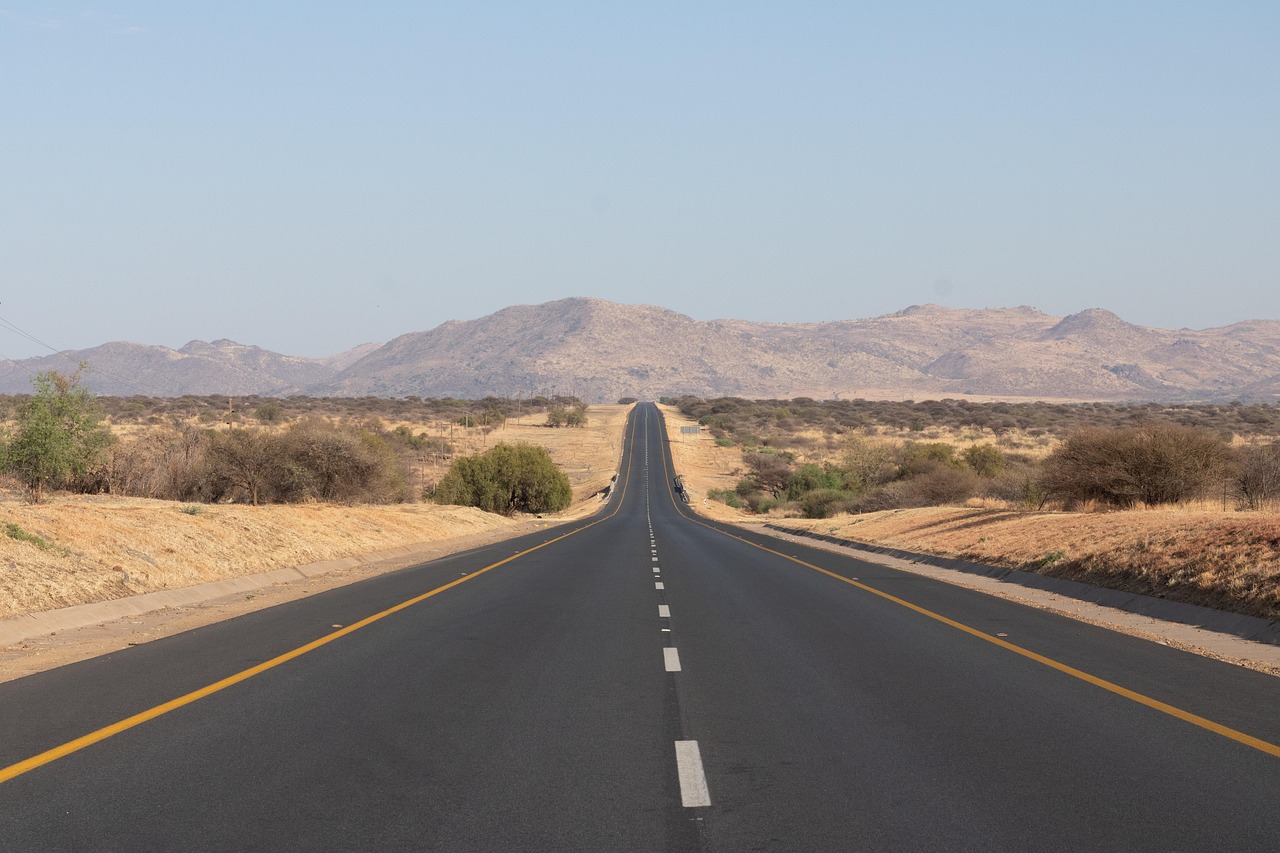
The western boundary of West Africa is predominantly marked by the vast Atlantic Ocean, with countries like Senegal and Cabo Verde boasting extensive coastlines. Inland, the landscape transitions through varying ecological zones, from low-lying coastal plains along the Gulf of Guinea to wide savanna grasslands and the arid Sahel region. In countries such as Mauritania, Mali, and Niger, parts of the Sahara Desert stretch into the subregion, creating a striking mix of semi-arid terrain and desert ecosystems. The eastern limit is often considered the Cameroon Mountains, which provide a natural geographical boundary separating Western Africa from Central Africa.
The geographic diversity not only influences agricultural practices and settlement patterns but also the cultural interchange seen across borders. Traditional communities historically thrived along river systems such as the Niger, Senegal, and Volta rivers, which have long been lifelines supplying water, fertile soil, and routes for trade and communication. These waterways continue to serve as vital economic and social corridors in 2026, supporting agriculture, fishing, and transportation in a region where modern infrastructure can be limited.
While the United Nations establishes clear political boundaries for West Africa, alternative definitions sometimes highlight environmental elements or political-economic frameworks that slightly modify the member country list. Understanding this geography provides essential context for appreciating the rich cultural mosaic and complex political relationships within West Africa.
The physical geography, from sandy desert dunes through savanna plains to mangrove swamps along the coast, forms an ever-changing backdrop against which West African societies have evolved. These landscapes are a key reason why visitors and researchers exploring the region note its unique blend of challenges and opportunities, both for the inhabitants and for cultural travelers seeking to experience the diversity firsthand.
Understanding West African Countries: A Political and Economic Ensemble
The United Nations officially recognizes 16 independent countries as constituting West Africa. These nations include Benin, Burkina Faso, Cabo Verde, Côte d’Ivoire, The Gambia, Ghana, Guinea, Guinea-Bissau, Liberia, Mali, Mauritania, Niger, Nigeria, Senegal, Sierra Leone, and Togo. Together, they form a complex political tapestry with varying cultures, languages, and economic profiles.
Nigeria stands out as the powerhouse among them – it is not only the most populous country within West Africa with over 213 million people but also one of the largest economies in Africa as of 2026. Its influence extends beyond economics into cultural exports including music, film, and literature, positioning Nigeria as a regional hub attracting business and tourism alike. Countries like Ghana and Senegal also play pivotal roles in the subregion’s economic and political landscape, offering stable governance structures and growing markets.
Many West African states use the CFA franc as their currency, linking them economically to the broader Francophone West African monetary union, while nations such as Nigeria and Ghana have developed their own currencies, the naira and Ghana cedi respectively. This variety underscores both colonial legacies and contemporary economic choices shaping financial interaction across borders.
Economically, West Africa is characterized by its abundant natural resources – including gold, diamonds, oil, and cocoa – which contribute significantly to the GDP of several countries. Côte d’Ivoire, for instance, is the world’s leading producer of cocoa beans, heavily influencing global chocolate supply chains. Mali and Burkina Faso are known for gold mining, while Nigeria and Angola hold prominent positions in oil production within the continent.
While some countries face challenges like political instability, others have fostered substantial progress. The Economic Community of West African States (ECOWAS) continues to promote cooperative trade policies and political collaboration, despite recent disputes leading to the withdrawal of Mali, Burkina Faso, and Niger in 2025. The remaining members are actively pursuing greater integration to enhance economic resilience and regional stability. ECOWAS’s focus on free movement and conflict resolution exemplifies the ongoing commitment among these nations to strengthen regional bonds, making West Africa a dynamic and interconnected political entity.
Rich Cultural Traditions and Diverse Societies in West Africa
The cultures across West Africa are as varied and vibrant as its geography. This region is home to hundreds of ethnic groups, languages, and traditions that have flourished over millennia. Each country contributes its own unique cultural heritage, yet all share deep communal values, storytelling traditions, music, dance, and vibrant festivals that continue to captivate visitors and enrich local life.
Among the major ethnic groups are the Yoruba, Akan, Mandé, Fulani, and Wolof, each with distinct languages and customs. For example, the Yoruba people in Nigeria and parts of Benin are renowned for their elaborate religious systems, artistry, and masquerade festivals. Ghana’s Ashanti kingdom is famous for its rich history, kente cloth weaving, and royalty ceremonies. In Senegal, the Wolof culture is prominent and has contributed significantly to West African music genres like mbalax.
Music and dance play pivotal roles in cultural expression and are often tied to rites of passage, religious worship, and community celebrations. Instruments like the talking drum, balafon, and djembe have permeated not only West African society but also influenced global music styles such as Afrobeat and jazz. The oral tradition is equally significant, with griots serving as storytellers and historians preserving genealogies, events, and morals through generations.
Traditional crafts such as pottery, textile production, metalwork, and intricate beadwork create economic livelihoods and artistic legacies. Markets like the sprawling Kejetia Market in Ghana or Sandaga Market in Senegal are hubs where culture and commerce blend, illustrating the lively everyday interactions in the region.
Culinary traditions reflect the region’s agricultural base, with staples like millet, sorghum, yams, and rice complemented by spicy sauces and palm oil. Dishes such as jollof rice, fufu, and maafe offer a taste profile cherished within homes and featured prominently in cultural festivities. Understanding these traditions provides insight into the social fabric and identity of West African communities in 2026 and beyond.
Exploring West Africa’s Physical and Political Geography
The political boundaries seen on the West Africa map may appear clear-cut, but beneath them lies a complex interplay of natural landscapes, climate zones, and historical influences shaping the region’s development. This dual view of West African geography enhances the understanding of its modern-day realities.
Politically, West Africa encompasses countries defined primarily by post-colonial borders, largely established during the late 19th and early 20th centuries. These borders often intersect ethnic territories and ecological zones, creating unique governance challenges as governments strive to manage diversity and resource distribution. The United Nations geoscheme, used internationally for statistical and development reporting, standardizes the definition of West Africa with its 16 designated countries, setting a framework for governmental and NGO activities.
Physical geographers classify West Africa based on environmental features. The coastal areas offer tropical climates with lush mangrove swamps and rainforests in countries like Liberia and Côte d’Ivoire. Moving northward, the landscape shifts to savanna plains, an area known as the Sudan and Sahel zones, recognized for its semi-arid conditions and grasslands. This zone is crucial for pastoralist communities who depend on seasonal migration routes and grazing lands.
One of the distinctive natural features is the Sahel, a narrow transition zone between the Sahara Desert and the more fertile savannas. It has tremendous importance for climatic studies due to frequent droughts and desertification threats impacting agriculture and livelihoods. Countries such as Niger and Mali have seen increasing efforts to combat soil degradation through reforestation and sustainable farming initiatives.
Rivers like the Niger remain economic lifelines cutting through this diverse landscape. The Niger River Basin supports millions by enabling fishing, irrigated farming, and water supply. Its delta, shared between Nigeria and neighboring countries, is not only an ecological hotspot but also a center for oil production, bringing both wealth and environmental challenges. The combination of physical geography and political boundaries continues to influence travel, trade, and regional cooperation in West Africa’s ever-evolving story.
Traveling Through West Africa: Discovering Regions, Traditions, and Local Experiences
For travelers exploring West Africa, the region offers a rich tapestry of experiences shaped by its multifaceted countries and distinct cultural zones. From the bustling cities through serene river valleys to sun-kissed beaches, each area invites curiosity and engagement.
Capital cities such as Abuja, Accra, Dakar, and Bamako serve as gateways to the historical and contemporary narratives of their countries. These metropolitan areas combine modern infrastructure with traditional markets and historic sites. Within Dakar, for instance, visitors can explore the vibrant arts scene, colonial-era architecture, and the famed island of Gorée, a poignant symbol of the transatlantic slave trade’s history.
For those drawn to nature and rural landscapes, the regions along the Niger and Senegal rivers offer opportunities to witness fishing villages, traditional farming methods, and wildlife rich savannas. Mali’s Dogon Country, with its cliff-side villages and unique cultural heritage, attracts adventurers and anthropologists alike, while Cape Verde’s islands present a contrasting blend of volcanic landscapes and musical rhythms such as morna.
West Africa also hosts numerous festivals that invite participation in age-old rituals and modern celebrations alike. The Fête du Vodoun in Benin honors spiritual traditions, while Ghana’s Homowo festival celebrates harvest and community spirit. These events provide insight into the deeply rooted cultural values and the communal essence of West African societies.
Travelers must navigate challenges such as varying infrastructure quality, security concerns, and regional travel logistics. Yet, the rewards are great: immersive experiences that offer profound connections to the people, landscapes, and living traditions that define West Africa today. Each journey reveals new facets of a region forever rich in history, color, and meaning – a compelling destination for anyone eager to explore beyond the conventional map.