Understanding the Geography and Boundaries of Northern Europe
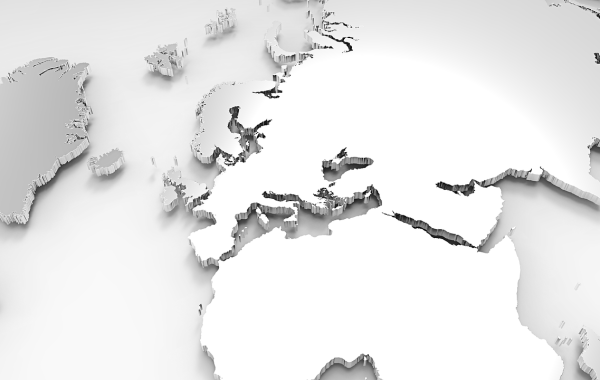
Northern Europe, an expansive and diverse region, is known for its distinctive geography and cultural wealth. Geographically, it spans the territories located mostly above the 54th parallel north, encompassing various peninsulas, islands, and plains. The region includes the Scandinavian Peninsula, comprising Norway and Sweden, the Jutland Peninsula which is predominantly Denmark, as well as Finland’s Lakeland and the island nation of Iceland. While the United Kingdom is sometimes included in discussions of Northern Europe, the core countries are those around the Baltic Sea and the Nordic region.
This complex geography results from the historic ice ages that sculpted fjords, mountains, and thousands of lakes, particularly in Norway and Finland. The Scandinavian Peninsula is famously rugged and marked by extensive mountain ranges, deep fjords, and long coastlines. In contrast, the Finnish Lakeland is dotted with many glacial lakes, making it one of the most lake-rich areas in the world. Between these landmasses lie numerous small islands that further enrich the region’s geographic mosaic.
The Baltic Sea is a central geographic feature linking many of the Northern European countries. It provides not only a natural boundary but also serves as a vital corridor for trade and cultural exchanges. Coastal cities like Stockholm, Helsinki, and Copenhagen have thrived due to their access to the Baltic Sea, making them important hubs in both historical and modern contexts.
Adding to its geographical uniqueness, parts of Northern Europe extend above the Arctic Circle, including northern Norway, Sweden, Finland, and Iceland. This positioning results in peculiar daylight patterns such as the Midnight Sun during summers and Polar Nights in winter, affecting both the environment and traditional lifestyles in these territories.
Climate plays a pivotal role in shaping the geography’s interaction with ecosystems and human settlements. Despite its northern latitude and generally cold climate, the Gulf Stream influences much of Northern Europe, especially the coastal areas of Norway and Denmark, providing relatively mild winters compared to other regions on similar latitudes. However, further inland and higher altitudes experience harsher winters and colder temperatures, particularly in northern Finland and Iceland.
The rivers within Northern Europe tend to be short due to the peninsula-dominated geography but carry large volumes of water thanks to abundant rainfall and snowmelt. This hydrological network supports diverse ecosystems and has historically provided transportation routes and waterpower essential for industry and agriculture. Understanding the geographical boundaries and natural features of Northern Europe provides the foundation for exploring its cultural complexity and historical significance.
Cultural Diversity and Historical Influences Across Northern Europe
The culture of Northern Europe is a rich tapestry woven from ancient traditions, Viking heritage, and modern influences. The Nordic countries – Norway, Sweden, Denmark, Finland, and Iceland – share strong historical and cultural connections dating back centuries, including language similarities, folklore, and social values emphasizing equality and welfare. These nations are renowned for their collective history of the Vikings, whose legacy still permeates modern celebrations, museums, and place names.
In addition to the Nordic countries, the Baltic states – Estonia, Latvia, and Lithuania – contribute unique elements rooted in Baltic and Slavic cultures, shaped by different historical rulers such as the Teutonic Order, the Russian Empire, and the Soviet Union. The result is a fascinating blend of customs, languages, and religious practices that highlight the diversity within Northern Europe.
Traditional customs remain important, from Sami indigenous herding and handicrafts in northern Scandinavia to the vibrant festival scenes in cities like Copenhagen and Helsinki. Culinary practices also show fascinating contrasts: while fish and seafood dominate coastal areas, inland regions might feature hearty meats and root vegetables, reflecting the climate and available resources.
Religious influences historically played a significant role. Lutheranism has been dominant in Scandinavia for centuries, influencing social structures and holidays. Meanwhile, the Baltic states exhibit a mix of Lutheran, Catholic, and Orthodox Christian traditions, along with newer secular trends emerging in the 21st century. This spiritual diversity showcases Northern Europe’s complex cultural layers.
Language provides another window into cultural identity. Swedish, Norwegian, and Danish are closely related North Germanic languages, promoting mutual intelligibility. Finnish and Icelandic stand apart – Finnish belonging to the Uralic language family and Icelandic preserving many archaic linguistic features from Old Norse. The Baltic states’ languages, all from the Baltic and Slavic families, highlight sharp contrasts in linguistic heritage.
Education, innovation, and a focus on social welfare characterize modern Northern European societies. They place high value on environmental sustainability and cultural preservation, maintaining a delicate balance between embracing technology and honoring time-tested traditions. This blend of old and new creates a dynamic cultural landscape remarkable in its depth and cohesion.
Significant Geographic Landmarks and Natural Phenomena in Northern Europe
Northern Europe is home to iconic natural landmarks that attract millions of visitors annually and hold great cultural significance. From majestic fjords in Norway to sprawling national parks in Finland and the famed volcanoes of Iceland, the region offers diverse landscapes intertwined with its identity.
The fjords of Norway are among the most dramatic geographic features, with deep, glacially carved inlets surrounded by towering cliffs. Famous fjords like Geirangerfjord and Sognefjord are UNESCO World Heritage sites. These waterways have provided shelter for fishermen and influenced settlement patterns for centuries.
Inland Finland features thousands of lakes that create a mosaic of freshwater bodies, forests, and wetlands. This Lakeland area supports varied wildlife and is essential for fishing industries and recreational tourism. The purity of the lakes and the surrounding wilderness makes it a global example of pristine natural environment management.
Iceland stands out with its volcanic activity, geysers, and glaciers. The island’s contrasting landscapes, including the Blue Lagoon geothermal spa and the Vatnajökull glacier, showcase the power of its dormant and active geological forces. Icelandic myths and sagas often reference these natural wonders, underlining their cultural importance.
The Northern Lights, or Aurora Borealis, are another hallmark of Northern Europe’s natural phenomena. Their spectacular displays occur frequently in the northernmost parts, adding a mystical aura that attracts photographers and travelers. This natural light show links scientific interest with folklore passed down through generations.
Moreover, the Baltic Sea itself hosts various unique ecosystems, characterized by brackish water, supporting species adapted to low salinity and creating distinctive habitats. Coastal landmarks like Estonia’s medieval old towns and Denmark’s Gladsaxe Hills reveal a fascinating interplay between natural and human-shaped landscapes.
Understanding these geographic landmarks deepens appreciation of how nature has informed settlement, culture, and identity within Northern Europe. The continuing stewardship of these features ensures they remain vital both ecologically and culturally in the years to come.
Northern Europe’s natural wonders make for compelling topics of study and exploration, demonstrating the region’s environmental and cultural richness.
Climate Characteristics and Environmental Challenges in Northern Europe
The climate of Northern Europe is shaped by its position across various latitudes, from temperate zones in southern Denmark to subarctic and arctic conditions farther north. This variability creates unique environments and influences the lifestyle of inhabitants, agriculture, and economic activities.
The Gulf Stream plays a crucial role in moderating coastal climates, especially in Norway, ensuring more temperate winters than on comparable latitudes in other parts of the world. Coastal cities enjoy maritime climates with less variation in temperature, while the interior regions, particularly in Finland and northern Sweden, experience more extreme seasonal shifts. Winters are cold and snowy, lasting several months, while summers bring long days with abundant sunlight.
Environmental challenges include the impact of climate change on Northern Europe’s ecosystems. Melting glaciers in Iceland and Norway threaten freshwater supplies and contribute to sea-level rise. Changes in the Baltic Sea’s salinity and temperature affect local fisheries and biodiversity. Increased precipitation and shifting weather patterns also pose risks for infrastructure and agriculture.
Authorities in Northern Europe are actively engaged in sustainability initiatives, such as renewable energy implementations including wind, hydro, and geothermal power, to mitigate environmental impact. These efforts align with international agreements and regional policies aiming to protect fragile ecosystems and combat climate change.
The population adapts to climatic extremes through urban planning, innovation in construction for cold climates, and cultural traditions designed to endure long winters. Festivals celebrating the changing seasons reflect this relationship between climate and culture, such as the winter “Yule” festivals and summer solstice celebrations.
This dynamic interface between climate, environment, and society in Northern Europe highlights the ongoing balancing act between maintaining cultural heritage and embracing future ecological responsibilities. The region serves as a model for resilience and adaptive strategies in the face of global environmental shifts.
Northern European Countries: Political Boundaries and Socioeconomic Overview
Northern Europe consists of several politically distinct countries, each contributing to the region’s geopolitical landscape and cultural mosaic. Core countries such as Norway, Sweden, Denmark, Finland, and Iceland comprise the Nordic region, characterized by strong cooperation through institutions like the Nordic Council. These nations enjoy high standards of living supported by developed economies, a robust social welfare system, and a high Human Development Index.
For instance, Sweden and Norway balance innovation with environmental consciousness, leading in sectors like clean technology, telecommunications, and sustainable fisheries. Denmark’s emphasis on renewable energy, especially wind power, makes it a global leader in green initiatives. Finland focuses significantly on education and digital infrastructure, supporting a knowledge-based economy. Iceland’s economy, while smaller, capitalizes on natural resources, tourism, and fisheries.
The Baltic states – Estonia, Latvia, and Lithuania – while historically influenced by larger empires, have reclaimed their sovereignty and integrated into the European Union and NATO since the early 21st century. These countries prioritize economic growth, technological advancement, and cultural revival, bridging Eastern and Western Europe both politically and economically.
The United Kingdom, occasionally included within broader definitions of Northern Europe, maintains significant economic and cultural ties across the region but is often considered part of Western Europe politically. Its historical and cultural interactions with the Nordic and Baltic countries are notable, especially concerning trade and maritime activities across the North Sea and Baltic.
The Baltic Sea remains a zone of strategic importance not only for commerce but also for environmental cooperation, security, and cultural dialogue among the Northern European countries. The combination of historical rivalries and contemporary partnerships within the region fosters a unique geopolitical dynamic that influences European politics on a broader scale.
As of 2026, the Northern European countries continue to exemplify balanced development, strong international cooperation, and rich cultural identities grounded in both tradition and innovation.