
Bali had been on my bucket list for years, and when I finally made it there, I spent two glorious weeks exploring every corner of this magical island. From the emerald rice terraces of Ubud to the crashing waves of Uluwatu, from the party beaches of Seminyak to the untouched shores of Nusa Penida, every single day brought something completely different. If you’re planning your own trip, here’s the Bali itinerary I wish I’d had before I went.
The Best Time to Visit Bali
Let me save you some research: the dry season runs from April to October, and that’s when you want to be there. I visited in June and the weather was perfect – warm, sunny days with clear skies almost every morning. The wet season (November to March) doesn’t mean constant rain, but you’ll get heavy afternoon downpours, higher humidity, and some boat trips to islands like Nusa Penida may get cancelled due to rough seas.
If you want fewer crowds and better prices, aim for the shoulder months of April-May or September-October. Avoid July-August and the Christmas/New Year period unless you enjoy paying double for everything and fighting for a spot at breakfast.
Visa & Entry Info
Most nationalities can get a Visa on Arrival (VOA) at Ngurah Rai Airport for IDR 500,000 (about $30 USD). This gives you 30 days, extendable once for another 30 days at an immigration office. The extension process takes about a week and costs around IDR 500,000 again. If you’re staying longer than 60 days, you’ll need to arrange a different visa before arrival.
Since 2024, Indonesia also charges a tourism levy of IDR 150,000 (about $10) for international visitors to Bali, payable online before or on arrival.
Days 1-4: Ubud – The Cultural Heart
Start your trip in Ubud. Seriously, don’t make the mistake of staying in Kuta or Seminyak first – you’ll want to ease into Bali, and Ubud’s pace is perfect for that, especially if you’re jet-lagged.
Rice Terraces
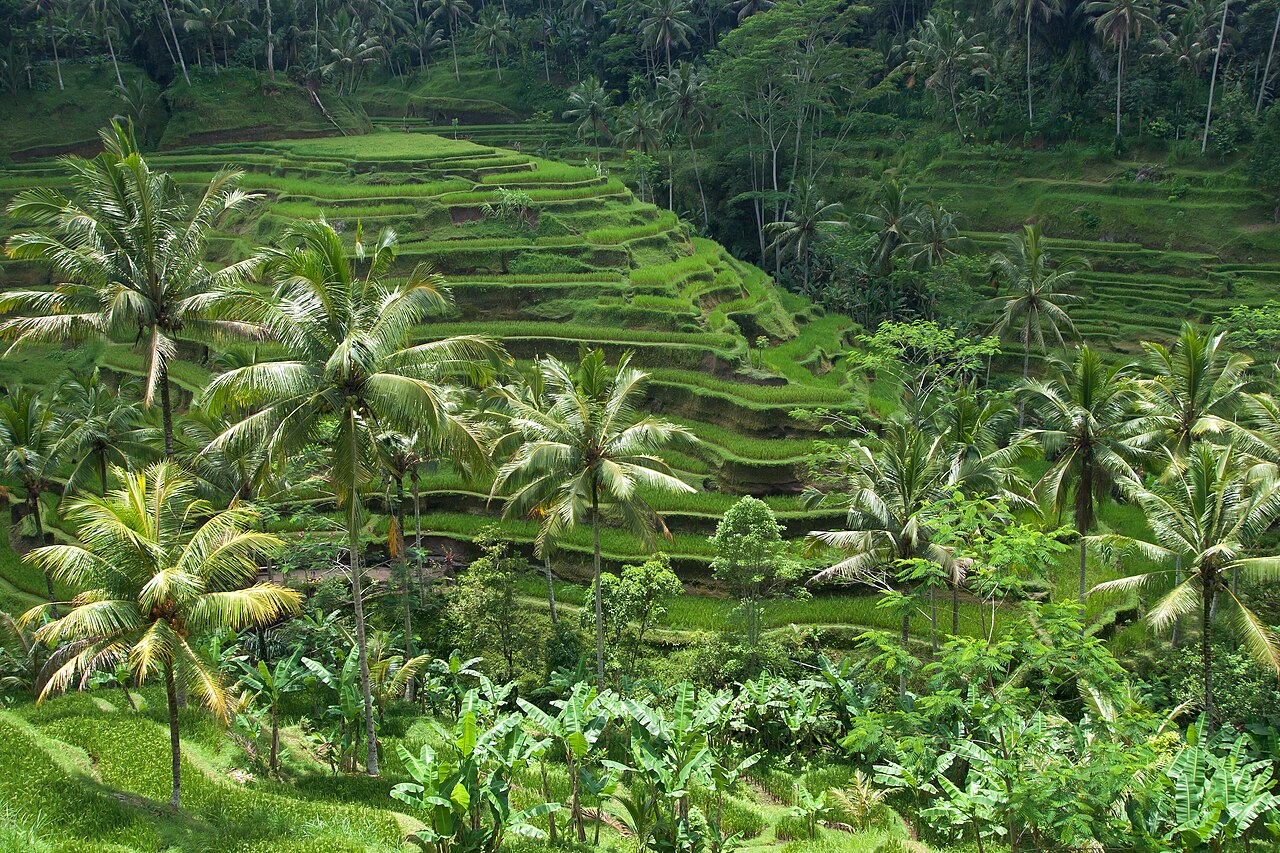
The Tegallalang Rice Terraces are the most famous, and yes, they really are as stunning in person as they look in photos. I went early morning (before 9 AM) and practically had the place to myself. The terraces cascade down a steep valley in vivid shades of green, and walking through them on the narrow paths between the paddies is genuinely magical. For a less crowded alternative, try the Jatiluwih Rice Terraces – they’re a UNESCO World Heritage Site and far more expansive.
Sacred Monkey Forest
The Ubud Monkey Forest is a must-visit, but go with a strategy: don’t carry food, secure your sunglasses and hat, and keep your phone in a zippered pocket. The monkeys are adorable but they’re also thieves. The forest itself is beautiful – ancient banyan trees, moss-covered temples, and stone bridges over a ravine. I spent two hours just wandering the trails.
Waterfalls
North of Ubud, you’ll find some of Bali’s best waterfalls. Tegenungan is the closest and most accessible. Tibumana is smaller but feels more hidden and romantic. For something truly spectacular, make the drive to Tukad Cepung – a waterfall inside a cave where light streams through the rock ceiling. It’s one of the most otherworldly places I’ve ever stood.
Days 5-7: Seminyak & Canggu – Beaches, Surf & Nightlife
After the tranquility of Ubud, head south to the coast. Seminyak is polished and upscale – think beach clubs, boutique shopping, and cocktails at sunset. Canggu, just 20 minutes north, has more of a laid-back surfer-digital-nomad vibe with incredible cafes, co-working spaces, and a younger crowd.
What to Do
Take a surf lesson at Batu Bolong Beach in Canggu – even as a complete beginner, I was standing up by the end of the session (IDR 350,000 for a 2-hour lesson). Watch the sunset at La Brisa or Echo Beach with a cold Bintang in hand. Spend a day at Finns Beach Club or Potato Head if you want the full Bali beach club experience. And definitely eat your way through Canggu – the food scene there is unreal, from smoothie bowls to wood-fired pizza to authentic Indonesian warungs.
For nightlife, La Favela in Seminyak is legendary – a multi-level jungle-themed bar that gets wild after midnight. In Canggu, Old Man’s is the go-to spot for cheap drinks and live music.
Days 8-9: Uluwatu – Cliffs, Temples & the Kecak Dance
Head to the Bukit Peninsula, the southernmost tip of Bali. The Uluwatu Temple is perched dramatically on a 70-meter cliff above the Indian Ocean, and visiting at sunset is non-negotiable. Time your visit to catch the Kecak Fire Dance – performed by 50+ men chanting in unison as the sun drops behind the temple. It’s one of the most powerful cultural experiences I’ve had anywhere in the world.
The beaches down here are incredible too. Padang Padang is a tiny cove reached through a narrow cave in the cliff. Suluban Beach (also called Blue Point) is a surfer’s paradise with reef breaks and dramatic rock formations.
Days 10-11: Nusa Penida – The Island That Broke Instagram
Take the 30-minute fast boat from Sanur to Nusa Penida and prepare to have your mind blown. This rugged island off Bali’s southeast coast has some of the most dramatic landscapes I’ve seen anywhere.
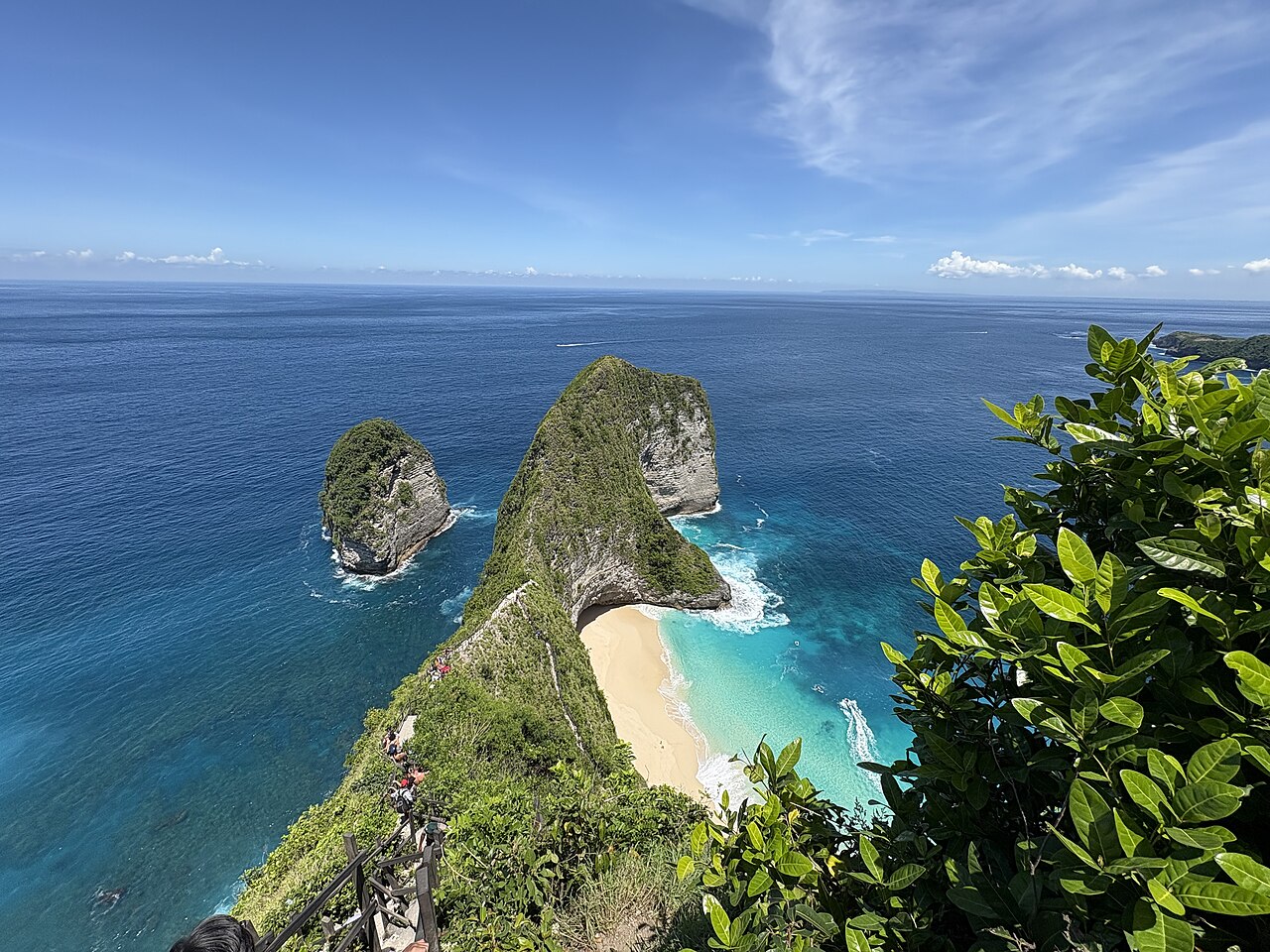
Kelingking Beach is the headliner – that iconic T-Rex-shaped cliff plunging into impossibly turquoise water. You can hike down to the beach itself, but fair warning: the trail is steep, crumbling in places, and takes about 40 minutes each way. Bring water and good shoes. Angel’s Billabong is a natural infinity pool carved into the rock at the island’s edge – it’s stunning at low tide but genuinely dangerous at high tide, so check conditions before going. Nearby Broken Beach is a natural rock archway over the ocean that looks like something from a fantasy film.
I’d recommend spending at least two nights on Nusa Penida. Most day-trippers from Bali only see the west side of the island, but the east side has incredible snorkeling with manta rays at Manta Point and the surreal Diamond Beach that far fewer people visit.
Days 12-14: North Bali & Amed – The Quiet Side
Lovina & North Bali
Make the drive north through the mountains to Lovina. The pace of life here is completely different from the south. Black sand beaches, dolphin-watching boat trips at dawn, and barely a tourist in sight. Visit the Banjar Hot Springs – natural volcanic pools surrounded by tropical gardens where you can soak for hours. The Brahma Vihara Arama Buddhist monastery nearby is one of Bali’s most underrated gems, with a mini replica of Java’s Borobudur temple and panoramic mountain views.
If you have time, detour to Sekumpul Waterfall – widely considered Bali’s most beautiful. The hike down is challenging but the reward is a massive twin waterfall crashing into a jungle gorge.
Amed & East Bali
Finish your trip in Amed, a quiet coastal strip on Bali’s east coast. The snorkeling and diving here is world-class – the USS Liberty Shipwreck in nearby Tulamben is one of the best wreck dives in Southeast Asia, and you can snorkel right from the beach. The sunrises over Mount Agung from Amed’s black volcanic beaches are absolutely breathtaking. This is the Bali that most tourists never see, and it’s my favorite part of the entire island.
Getting Around Bali
You have two main options: rent a scooter or hire a private driver.
A scooter costs around IDR 70,000-100,000 per day ($5-7 USD) and gives you total freedom. But Bali traffic is chaotic, roads outside the main tourist areas can be narrow and potholed, and you need to be a confident rider. Make sure you have an international driving permit and proper travel insurance that covers motorbikes.
A private driver costs IDR 600,000-800,000 per day ($40-55 USD) for 8-10 hours, including fuel. This is the safer, more comfortable option, especially for longer distances like Ubud to Lovina. Grab and Gojek ride-hailing apps work in the main tourist areas but are often blocked by local taxi cartels in places like Ubud and Uluwatu.
Where to Stay & Budget Tips
Bali has accommodation for every budget. Hostels start around $8-12/night, comfortable guesthouses and Airbnbs run $20-40/night, and you can get a stunning private villa with a pool for $60-100/night – something that would cost five times that in Europe.
My budget tips:
- Eat at warungs (local restaurants) – a full meal costs IDR 25,000-40,000 ($2-3 USD) vs $10-15 at tourist restaurants
- Book accommodation directly with the property rather than through Booking.com – owners often give 10-20% discounts
- Skip the beach clubs on weekends when minimum spends are higher
- Buy a local SIM card at the airport (Telkomsel has the best coverage) for about IDR 100,000 with plenty of data
- Negotiate temple entrance fees if they seem unusually high – some sites have inflated “tourist prices” posted by unofficial ticket sellers
- Travel with a buddy to split driver and accommodation costs
Final Thoughts
Two weeks in Bali barely scratches the surface, and honestly, I could have stayed a month. The island has this incredible ability to be whatever you need it to be – spiritual retreat, surf adventure, party destination, cultural immersion, or just a place to slow down and breathe. Every region feels like a different world, and that’s what makes Bali so special.
My biggest advice? Don’t try to rush it. Pick a few areas, go deep, and leave some things for next time – because trust me, there will be a next time. Bali has a way of pulling you back.