Geographical Scope and Political Boundaries of East Africa
East Africa, located on the easternmost edge of the African continent, presents a fascinating blend of political boundaries and geographical diversity. The exact delineation of East Africa depends on the perspective one adopts – whether political, geological, or cultural. Internationally, the United Nations geoscheme offers the most standardized classification, encompassing 18 sovereign countries along with two overseas territories, Mayotte and Réunion, which serves statistical purposes. This framework is widely adopted for demographic studies, economic reporting, and development analysis, making it a key reference for data consistency in 2026.
The countries forming this recognized core of East Africa include diverse nations such as Burundi, Kenya, Ethiopia, Madagascar, Tanzania, and Uganda, among others. This grouping not only highlights political borders but also traces the boundaries of a vibrant and strategically vital region. For example, Kenya’s centrality boosts its role as a hub for commerce and regional diplomacy, while Ethiopia’s highlands contribute to some of the most fertile agricultural zones and complex topography in the region.
East Africa’s complexity is underlined by overlapping regional organizations. The African Union (AU) classifies 14 member states under Eastern Africa, which slightly alters the composition compared to the UN’s broader list. The AU grouping prioritizes political coordination and peacekeeping, leading to variations such as the inclusion of Sudan but the exclusion of countries like Malawi and Zimbabwe from this regional block. In parallel, the East African Community (EAC) focuses on economic integration and political cooperation among eight countries, creating an even more specialized sub-region. The EAC’s members include Kenya, Tanzania, Uganda, along with newer members like South Sudan, exemplifying a compact economic alliance aimed at deepening cooperation amid the larger geopolitical East African landscape.
Overlaying these political divisions is a tapestry of physical geography that is equally critical. The Great Rift Valley, a geological marvel stretching through several countries, defines much of East Africa’s natural identity. This rift valley system is not only a major tectonic feature but also a cradle of biodiversity and ancient human history. Lakes such as Victoria and Tanganyika punctuate the landscape, providing water resources that sustain millions. Meanwhile, the Indian Ocean borders several countries, offering critical access points for trade and cultural exchange, and fueling coastal urbanization across the region.
This clear yet multifaceted geography underscores the importance of understanding East Africa through multiple lenses. Whether viewed through political borders or physical geography, the region encompasses a unique mix of ecosystems, economic potentials, and cultural landmarks, each contributing crucially to the ongoing narrative of East Africa as a global crossroads in 2026.
Topographical Features and Natural Landmarks That Define East Africa
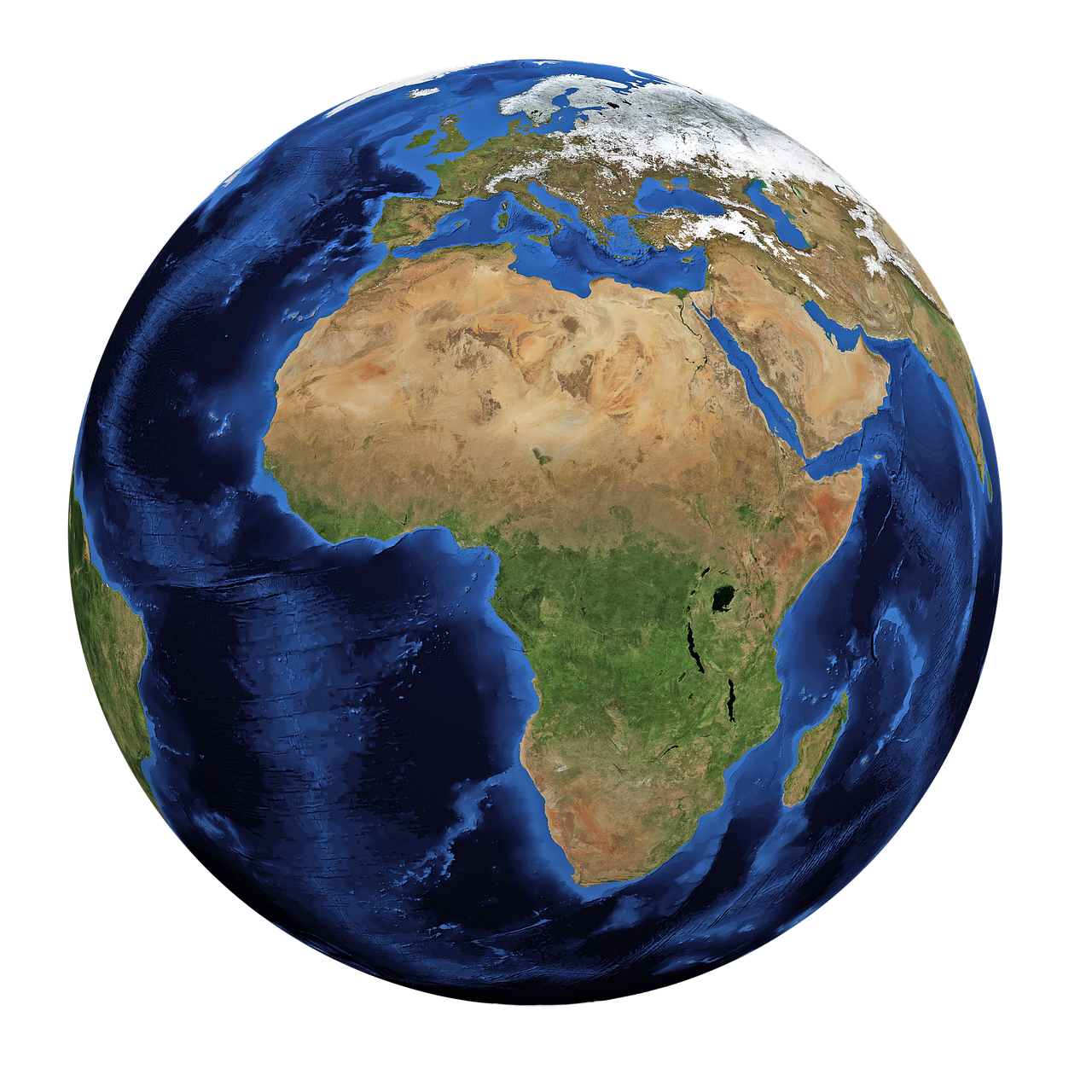
The landscape of East Africa is a geographical mosaic of dramatic topographies and remarkable natural landmarks. Central to this region’s identity is the Great Rift Valley, a massive trench running from the Red Sea through Ethiopia, Kenya, Tanzania, and Malawi. This rift system has shaped not only the physical environment but also human settlement patterns, wildlife distribution, and climatic zones. For tourists and researchers alike, the rift represents one of the most spectacular natural wonders on Earth.
East Africa is home to some of the world’s most significant lakes. Lake Victoria, straddling Uganda, Tanzania, and Kenya, ranks as the second-largest freshwater lake by surface area globally and supports millions of livelihoods reliant on fishing and transportation. Southwards lies Lake Tanganyika, the world’s second-largest freshwater lake by volume and marked by its deep, clear waters and endemic fish species. These lakes serve as natural landmarks central to both ecological systems and human economies.
Mountains and volcanoes also punctuate the region’s diverse topography. Mount Kilimanjaro, situated in Tanzania, stands as Africa’s highest peak and a magnet for climbers worldwide. Beyond its height, Kilimanjaro’s glaciers – though retreating – are important indicators of climate dynamics in East Africa. The Kenyan Highlands and Ethiopian Highlands contribute to agricultural productivity due to their fertile soils and temperate climates, while active volcanic zones near the Rift Valley offer geological and touristic interest.
Along the Indian Ocean coast, the geography transitions from rugged cliffs to sandy beaches and coral reefs. This coastline reveals a hybrid heritage of natural splendor and cultural history, with important port cities like Mombasa and Dar es Salaam serving as gateways to maritime trade routes. The coastal islands, such as Seychelles, Comoros, and Mauritius, add to the biodiversity and tourism appeal of the region, showcasing tropical ecosystems and offering luxury resorts and wildlife sanctuaries.
The region’s varied landscapes play a crucial role in sustaining tourism and local economies. Safaris in Kenya and Tanzania’s iconic wildlife parks – including the Serengeti and Maasai Mara – attract millions of visitors eager to witness the Great Migration and the “Big Five” species. Meanwhile, geological formations and cultural heritage sites, such as the ancient rock-hewn churches of Lalibela in Ethiopia or the historic trading towns on the Swahili coast, enrich the travel experience and showcase East Africa’s unique blend of nature and human history.
In summary, East Africa’s topography offers a vivid story of geological forces, biodiversity hotspots, and cultural intersections. This dynamic geography continues to shape not only how people live and travel but also how regional development unfolds through evolving conservation efforts and infrastructure expansion in 2026.
Diverse Cultures and Historical Landmarks Across East Africa
East Africa is a treasure trove of cultural richness shaped by millennia of human history and interaction. Fossils discovered in the Rift Valley area of Ethiopia and Kenya have affirmed the region’s role as the cradle of humankind, dating back nearly 200,000 years. These early human sites, including the famous ones at Olduvai Gorge and Lake Turkana, are critical to understanding human evolution and migration patterns that eventually made East Africa a global historical hub.
The cultural heritage of East Africa reflects layers of influence, from centuries-old Arab and Persian trade networks along the Indian Ocean coast to the spread of Christianity and Islam inland. For example, the historic Stone Town of Zanzibar exemplifies centuries of trade connections and cultural blending, with its labyrinthine streets, ancient mosques, and merchant houses that tell stories of a bygone age of commerce and cultural exchange.
Religious landmarks play a prominent role. Ethiopia is home to Lalibela’s rock-hewn churches, an architectural marvel dating back to the 12th century, forming a pilgrimage site that continues to attract thousands annually. Similarly, Somalia’s ancient port cities like Zeila and Berbera offer a glimpse into Islamic architecture and the region’s coastal trading legacy. These sites go beyond religious significance, embodying narrative layers of diplomacy, trade, and community resilience.
Colonial history has left an indelible mark on the region, resulting in administrative boundaries that still shape national identities today. British, French, German, and Italian colonial powers influenced languages, infrastructure, and governance models, with East African countries gaining independence largely during the 1960s. Post-independence, the region has consistently sought to strengthen cooperation through regional blocs like the East African Community, promoting economic integration while preserving cultural identities.
The dynamic cultural scene in modern East Africa is visible in bustling cities such as Nairobi, Addis Ababa, and Dar es Salaam, where traditional practices merge with contemporary arts, music, and cuisine. Languages like Swahili serve as lingua franca, fostering communication and unity across ethnic lines and national borders. Festivals celebrating indigenous traditions alongside global cultural expressions demonstrate East Africa’s vibrant and evolving cultural tapestry in 2026.
Exploring East Africa’s cultural landmarks offers travelers a profound experience that reveals ancient human beginnings, historic trade networks, and modern socio-political transformations. These elements collectively enrich the understanding of the region’s identity as a unique convergence point of history and human achievement.
Wildlife and Safari Destinations: Exploring East Africa’s Natural Heritage
East Africa’s identity as a premier safari destination is inseparable from its unparalleled wildlife diversity and conservation heritage. The sprawling savannas, open plains, and wooded highlands create natural sanctuaries for some of the world’s most iconic animals. The region’s commitment to protecting these environments ensures that safari tourism remains a major economic and ecological pillar.
Iconic parks such as the Serengeti National Park in Tanzania and the Maasai Mara National Reserve across the border in Kenya form the heart of the annual Great Migration – where millions of wildebeest, zebras, and other herbivores journey across vast distances in search of fresh grazing grounds. This natural phenomenon is considered one of the most spectacular wildlife events globally, drawing visitors keen to witness the dynamic circle of life unfold on the plains.
Other noteworthy parks include Uganda’s Bwindi Impenetrable Forest, a critical habitat for threatened mountain gorillas, where controlled tourism allows close encounters with these critically endangered species. Meanwhile, Ethiopia’s Simien Mountains National Park hosts unique species such as the Walia ibex and Ethiopian wolf, highlighting the diversity of habitats across elevation gradients.
The coastal and marine environments offer additional safari opportunities with rich coral reefs off Kenya and Tanzania supporting diverse marine life such as dolphins, whale sharks, and sea turtles. The island nations around East Africa, including Seychelles and Mauritius, enhance the region’s ecological appeal with their unique flora and fauna, pristine beaches, and protected marine parks.
Efforts to combine tourism and conservation have led to the development of sustainable safari models where local communities benefit directly from wildlife tourism. Community conservancies, particularly in Kenya, illustrate how indigenous knowledge and stewardship contribute to protecting wildlife corridors while offering cultural tourism experiences. This integration supports biodiversity and economic empowerment simultaneously.
Exploring East Africa’s wildlife from its vast savanna ecosystems to the rich marine biodiversity offers an immersive experience into the natural heritage of the region. As the world evolves in 2026, East Africa continues to balance ecological preservation with growing tourism demands, making it a vital player in global conservation and travel industries.
East Africa’s Role in Regional Development and Tourism Infrastructure
As East Africa’s profile grows on the global stage in 2026, the region’s focus on development and tourism infrastructure has intensified. Governments and regional bodies have increasingly invested in transportation networks, hospitality facilities, and digital innovations to enhance connectivity and visitor experiences. These efforts reflect the strategic importance of tourism as a driver of economic growth and cultural exchange.
Major infrastructural projects such as the expansion of Jomo Kenyatta International Airport in Nairobi and Julius Nyerere International Airport in Tanzania have improved air access and cargo capabilities, facilitating both international tourism and trade. Road networks linking national parks, cultural sites, and urban centers have also undergone modernization, reducing travel times and improving safety for tourists and residents alike.
Information technology has come to prominence in tourism promotion and visitor management. Mobile apps offering detailed East Africa maps, guided tours, and real-time wildlife tracking have made safari booking more accessible and personalized. Governments collaborate with private sectors to leverage technology for sustainable tourism practices, including virtual tours, contactless payments, and eco-friendly accommodations.
Tourism hubs such as Zanzibar and the Seychelles have developed luxury resorts and eco-lodges that attract high-end visitors while emphasizing environmental conservation. These developments demonstrate how East Africa balances natural preservation with modern tourism demands. Cultural tourism is also on the rise, with municipal initiatives promoting heritage sites and festivals that celebrate the region’s diversity.
International events, including annual tourism fairs and conservation summits, showcase East Africa’s potential as a global destination. Countries collaborate on cross-border tourism circuits, combining wildlife safaris, historical explorations, and beach holidays to create diversified visitor itineraries. This regional cooperation fosters peace and mutual economic benefits, illustrating East Africa’s role as a model for sustainable and inclusive regional development.
The ongoing progress in infrastructure and tourism reinforces East Africa’s commitment to becoming a key player in the global travel landscape by 2026. Its varied geography, cultural richness, and commitment to ecological and economic sustainability position the region as a competitive and compelling destination for tourists worldwide.