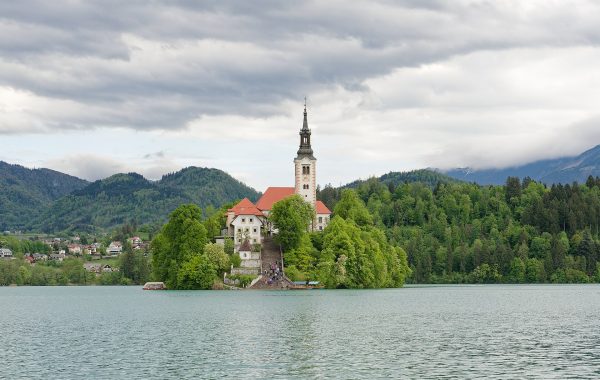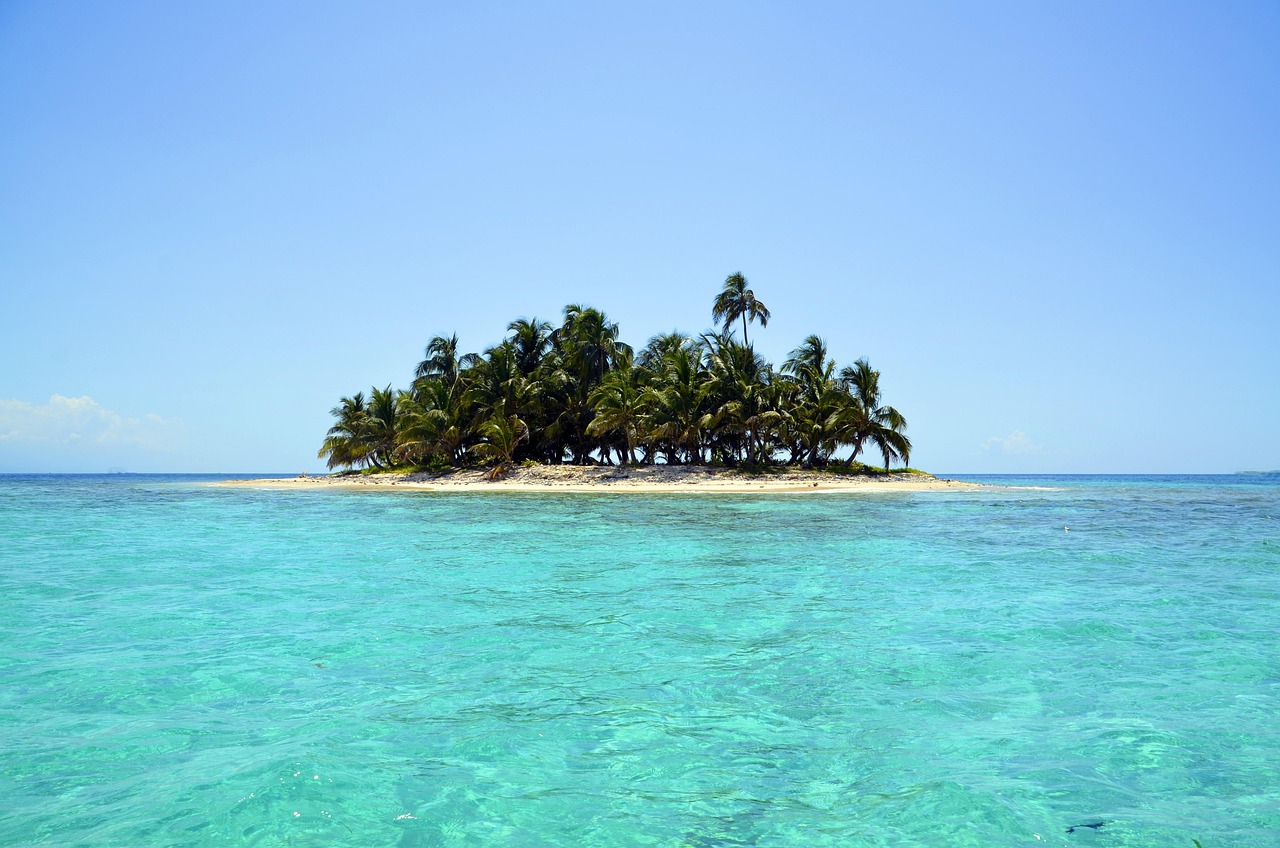

Three small islands sit off the north west corner of Lombok, close enough to see from each other and different enough that choosing the wrong one can shape your whole trip. There are no cars and no motorbikes on any of them. You walk, you cycle, or you take a pony cart. This guide covers which island suits which traveller, how to get there from Bali and Lombok, what the snorkelling actually delivers, and the practical limits of life on a sand bar with no fresh water.
Which island is which
Gili Trawangan
The largest and the busiest. Trawangan has the bars, the dive schools, the beach clubs and the reputation. It also has a quiet north and west coast that most visitors never walk to, where the sunset over Bali is the main event and the noise is a kilometre away.
Come here if you want company, a choice of restaurants and the widest selection of dive operators. Avoid it if you want silence at eleven at night in high season.
Gili Meno
The smallest and the quietest, sometimes described as the honeymoon island. A single track circles it in about an hour and a half of walking. There is a salt lake in the middle, a handful of restaurants and very little else.
Meno has the best chance of seeing turtles from the shore, and an underwater sculpture installation off its west coast that has become the most photographed snorkel in the group.
Gili Air
The compromise, and for many people the right answer. Air has enough places to eat and drink to keep an evening interesting, a local population that gives it more life than Meno, and a coast quiet enough to sleep. It is also the closest to Lombok, which makes the crossing shortest.
Getting there
From Bali, fast boats run from Padang Bai, Serangan and Amed, taking between ninety minutes and two and a half hours depending on the port and the sea. The crossing is exposed, and it can be genuinely rough in the wet season. If you are prone to seasickness, take something before boarding rather than after.
From Lombok, boats leave Bangsal harbour and reach the islands in fifteen to thirty minutes. Public boats are cheap and leave when full, private charters go on demand.
Between the islands, a slow public hopping boat runs a couple of times a day on a fixed schedule, and private boats will take you any time for more money. Check the last hopping boat if you are planning to eat dinner on another island.
Getting around once you are there
No motorised transport is allowed. That rule is the reason the islands feel the way they do, and it is worth protecting.
Bicycles are the obvious choice and rent for very little. The tracks are sand, so some sections involve pushing rather than riding, particularly on Trawangan’s north coast.
Pony carts, called cidomo, are the traditional taxi. Their welfare has been a subject of sustained criticism, and standards vary a great deal between operators. Many visitors now choose to walk or cycle instead, and on islands this size that is easy to do.
In the water
The snorkelling is the main reason to come, and it is honest to say the reefs have suffered. Bleaching events and past bomb fishing damaged them badly, and recovery is patchy. What survives is still worth the mask.
Green turtles are the highlight and they are genuinely common, particularly off Meno and Air. They are wild animals resting and feeding, so keep your distance, never touch, and never block a turtle heading up to breathe.
The underwater sculptures off Meno sit shallow enough for snorkellers and are best in the morning before the boats arrive.
Diving is well established, with sites suiting everyone from first timers to divers looking for reef sharks. Currents between the islands are strong, which brings the life and also means that swimming from one island to another is a genuinely dangerous idea that people attempt every year.
The practical limits
These are small islands with limited infrastructure, and knowing that in advance prevents most of the frustration.
- There is no natural fresh water. Water is shipped in or produced by desalination, showers can be brackish, and long hot showers are not the local norm.
- Power cuts happen. Most of the larger places have generators, the smaller ones do not.
- Cash machines exist on Trawangan and Air but run empty, and Meno has almost nothing. Bring more cash than you expect to need.
- Medical facilities are basic. Anything serious means a boat to Lombok, and boats do not run in the dark.
- There are no police stations in the usual sense, and the islands are run by local community structures.
Staying, eating and the local rules
Accommodation on all three islands runs from beach huts to villas with private pools, and prices climb sharply in July and August. The general rule is that Trawangan has the most choice, Air has the best value, and Meno has the fewest rooms and fills first for that reason.
Eating is better than the islands’ reputation suggests. Trawangan has a night market where local warungs set out grilled fish by the kilo, which remains the best meal on the island and the cheapest. Air and Meno have small clusters of restaurants along the east coasts.
Two things about local custom are worth knowing. The islands are Muslim, and while beach dress is normal on the sand, walking through a village in swimwear is not appreciated. The call to prayer starts early, and no accommodation is far enough from a mosque to avoid it.
Waste is the islands’ chronic problem, because everything arrives by boat and nothing leaves easily. Refill stations for water bottles exist on all three islands and using them makes a genuine difference here in a way it does not everywhere.
When to go
The dry season from April to October gives the calmest crossings, the best visibility underwater and the busiest beaches. July and August are peak in every sense.
The shoulder months of April, May, September and October are the sweet spot, with warm water and space to move.
November to March brings rain, wind and rougher crossings, and some operators reduce their schedules. The islands stay open, they just get quieter and wetter.
One local quirk worth planning around is the Nyepi day of silence observed across Bali and Lombok in March, when boats stop running entirely and nobody leaves their accommodation for twenty four hours. Arriving on the wrong side of it strands you.
Fitting them into a bigger trip
The Gilis work well as a soft landing after something strenuous, and the obvious pairing is the volcano behind them on Lombok. Anyone coming off the Rinjani trek will find three days of doing nothing on a flat sandy island close to perfect.
Coming the other way, they slot in at the end of a Bali trip, and our two week Bali itinerary shows where the crossing fits without wasting days.
The short version
Pick Trawangan for company, Meno for silence, Air for the balance. Bring cash, expect basic infrastructure, respect the turtles and never swim between the islands. Two or three nights is enough for one island, and moving between them is easy enough that you do not have to choose only once.