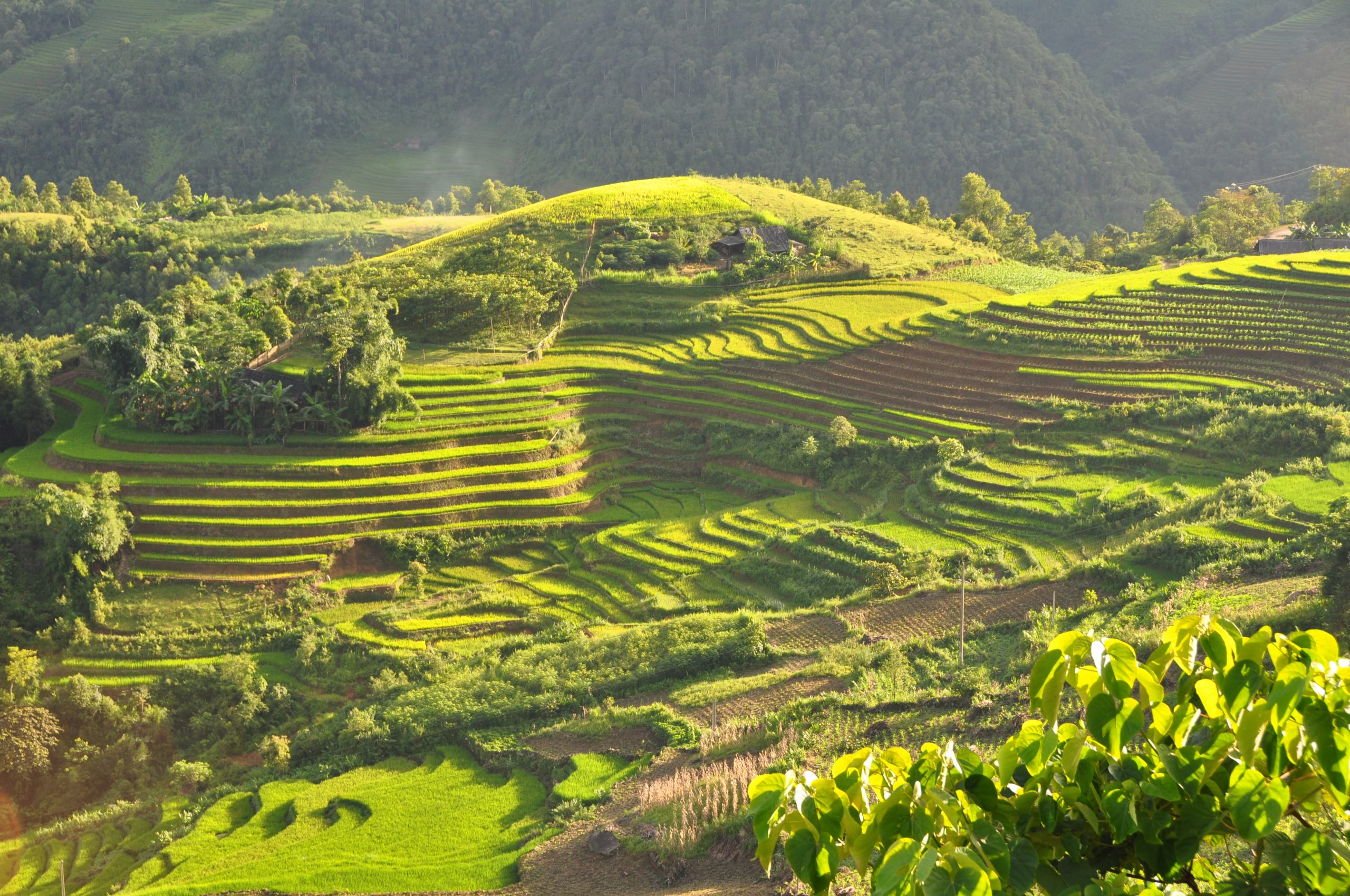
The morning mist was still clinging to the peaks of the Hoang Lien Son mountains when I stepped out of my guesthouse in Sapa town. I had come to northern Vietnam for one reason: to walk through the legendary rice terraces and visit the Hmong and Dzay villages that cling to the steep hillsides of the Muong Hoa Valley. Over three days, I trekked to Cat Cat Village, Lao Chai, and Ta Van, and the experience left a mark on me that no amount of time will erase.
If you are planning a trip to Sapa and want to go beyond the touristy center of town, this guide covers everything I learned along the way, from getting there and how much it costs to what you can expect in each village and the tips I wish someone had given me before I set off.
Getting to Sapa
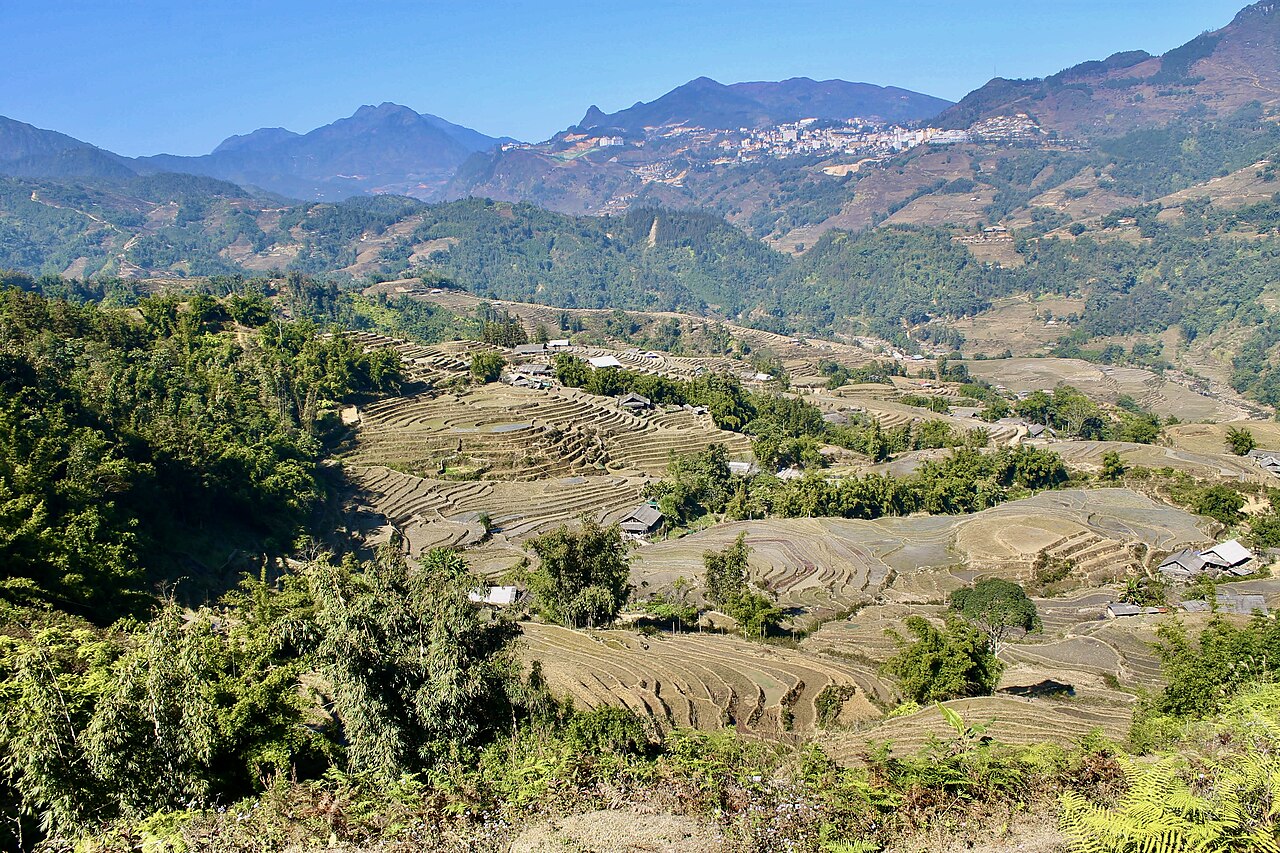
Most travelers reach Sapa from Hanoi. You have two main options. The overnight sleeper train to Lao Cai takes about eight hours, departing Hanoi around 9 or 10 PM and arriving early in the morning. From Lao Cai station, minibuses and taxis make the 35-kilometer climb up to Sapa town in about 45 minutes. Expect to pay around 50,000 to 100,000 VND for a shared van.
The second option is a direct sleeper bus from Hanoi to Sapa, which takes roughly five to six hours. Several operators run this route overnight, and tickets range from 250,000 to 400,000 VND. I took the train on the way up and the bus on the way back, and honestly, both were perfectly comfortable. The train felt more of an adventure, with the rhythmic clatter of the tracks lulling me to sleep.
Once in Sapa town, the villages are all within easy reach on foot or by motorbike. You can also hire a local guide, which I strongly recommend for at least one of the treks.
Cat Cat Village: The Closest and Most Accessible
Cat Cat Village sits just 2.5 kilometers southwest of Sapa town center, making it the easiest Hmong village to visit. I walked there from my hotel in about 40 minutes, following Fansipan Road downhill through a gorgeous landscape of terraced fields and bamboo groves.
The village was originally settled by the Black Hmong people in the 19th century and still retains much of its traditional character, despite the tourist infrastructure that has grown around it. Walking down the stone-paved paths, I passed wooden houses with low-hanging thatched roofs, women weaving intricate textiles on handlooms, and children playing on the hillside with dogs trailing behind them.
What to See at Cat Cat
The village has about 68 traditional Hmong houses, and several have been converted into small workshops where you can watch the process of making hemp fabric, from beating the raw fibers to dyeing them with indigo. The indigo-dyed hands of the women here are a telltale sign of the Black Hmong, and they are rightly proud of this craft that has been passed down through generations.
The big highlight is Cat Cat Waterfall, also known as Tien Sa Waterfall, at the bottom of the valley. The cascade is not enormous, but the setting, surrounded by lush tropical vegetation and a French-era hydroelectric station, is very photogenic. I spent a good half hour here just soaking in the sound of the water and the cool mist on my face.
Practical Info for Cat Cat
The entrance fee is 90,000 VND (about $3.60 USD), which I thought was very reasonable given that it includes access to the entire village area. The village is open from 6 AM to 9 PM daily. If you want to avoid the tour groups, arrive before 8 AM or after 3 PM. Eco-friendly electric buggies now run from Sapa’s central square to the entrance for 120,000 VND round trip, but the walk is half the fun.
Plan to spend about two to three hours here. Wear decent shoes with some grip because the paths are steep and can be slippery after rain.
Lao Chai Village: Deep in the Muong Hoa Valley
The trek from Sapa to Lao Chai was the highlight of my entire time in northern Vietnam. The trail descends steeply from Sapa town through Y Linh Ho and then follows the Muong Hoa stream into the wide, breathtaking valley below. The terraced rice paddies stretch in every direction, carved into the mountainsides like a giant staircase descending toward the river.
Lao Chai is a Black Hmong village of about 145 households spread along the valley floor. Unlike Cat Cat, it feels far less touched by mass tourism. When I arrived, children were herding water buffalo along the path, and an older woman sat outside her home sewing elaborate patterns onto a traditional jacket. She invited me in for tea without a word of English, and through gestures and smiles, we managed a perfectly lovely conversation.
The Trek from Sapa to Lao Chai
The distance is about six kilometers, mostly downhill but with some muddy stretches that require careful footing. It took me about two hours at a relaxed pace, with plenty of stops for photos. A local Hmong guide accompanied me and pointed out medicinal plants along the trail, explained the irrigation system that feeds the terraces, and shared stories about village life that I would never have learned on my own.
Hiring a guide costs around 300,000 to 500,000 VND for a full-day trek, and many of them are young Hmong women who speak surprisingly good English. Not only does this support the local economy directly, but it also transforms the walk from a nice hike into a genuinely educational experience.
Ta Van Village: Giay Culture and Homestay Magic
From Lao Chai, the trail continues about two more kilometers along the valley to Ta Van, home to the Giay (also spelled Dzay) ethnic minority. The shift in culture is subtle but noticeable. The houses here are built in a slightly different style, with earthen walls and wooden beams, and the traditional clothing features brighter colors compared to the indigo palette of the Hmong.
I stayed overnight in a homestay in Ta Van, and it was one of the most memorable nights of my trip. The family cooked a feast of local dishes: bamboo-tube rice, grilled stream fish, stir-fried greens from their garden, and a powerful home-brewed rice wine that they insisted I try. We sat around a low table on the floor, and even though communication was limited, the warmth of their hospitality needed no translation.
What to Do in Ta Van
In the morning, I walked through the village and visited the ancient rock carvings scattered along the Muong Hoa stream. These mysterious petroglyphs, believed to be hundreds of years old, feature geometric patterns and stylized human figures whose meaning is still debated by archaeologists. The surrounding landscape of rice fields, jungle, and distant mountains made it an incredibly peaceful place to explore.
You can also learn how to make traditional incense from local herbs, visit the small village market, or simply sit on the porch of your homestay and watch the clouds drift between the peaks. Homestay prices in Ta Van range from 150,000 to 300,000 VND per person including dinner and breakfast, which is remarkable value.
Costs and Budget Breakdown
Here is a rough idea of what a two-day Hmong village trek from Sapa costs:
- Sleeper train Hanoi to Lao Cai: 400,000 to 700,000 VND ($16-28 USD)
- Minibus Lao Cai to Sapa: 50,000 to 100,000 VND ($2-4 USD)
- Cat Cat entrance fee: 90,000 VND ($3.60 USD)
- Local guide for full day: 300,000 to 500,000 VND ($12-20 USD)
- Homestay in Ta Van (dinner and breakfast included): 150,000 to 300,000 VND ($6-12 USD)
- Meals in Sapa town: 50,000 to 100,000 VND per meal ($2-4 USD)
All in, you can do a comfortable two-day trek with homestay for under $60 USD. That is hard to beat anywhere in Southeast Asia.
My Tips for Visiting Hmong Villages Near Sapa
- Hire a local guide. It makes the experience infinitely richer and supports the community directly. Many Hmong women work as freelance guides and you can find them in Sapa town square.
- Bring cash. There are no ATMs in the villages, and card payments are not accepted. Bring enough Vietnamese dong for entrance fees, food, souvenirs, and your guide.
- Wear proper shoes. The trails can be extremely muddy and slippery, especially during the rainy season from May to September. Waterproof hiking shoes or boots with good tread are essential.
- Pack a rain jacket. The weather in Sapa changes quickly. Even in the dry season, sudden showers are common at this altitude.
- Respect local customs. Always ask before photographing people. Do not enter homes without being invited. If you buy handicrafts, pay the asking price without aggressive bargaining, as these are handmade goods that take hours or days to produce.
- Visit September or October for the golden rice terraces. The fields turn a brilliant gold just before harvest, and the views are absolutely stunning. March to May is also lovely, with fresh green terraces and wildflowers.
- Stay overnight. A day trip to Cat Cat is fine, but the real magic of this area reveals itself when you stay in a homestay. The evening light over the terraces, the sounds of the valley at night, and the warmth of a family meal cannot be experienced on a rushed visit.
Final Thoughts
Vietnam has no shortage of spectacular scenery, but the villages around Sapa hold something more than just beautiful views. Walking through Cat Cat, Lao Chai, and Ta Van, I felt a genuine connection to a way of life that has endured for centuries against remarkable odds. The Hmong and Giay people who live here are not museum exhibits; they are resilient communities navigating the tension between tradition and modernity with grace and quiet determination.
If your Vietnam itinerary allows for only one detour from the usual Hanoi-Halong-Hoi An circuit, make it Sapa. Lace up your hiking shoes, hire a local guide, and walk into the valley. You will not regret it.